

Common Medications That Can Increase the Risk of Heat-Related Illness
Medications That Can Increase Heat Sensitivity
As summer temperatures rise, it's important to know that many commonly prescribed medications can make your body more vulnerable to heat-related illness. These medications may reduce your ability to sweat, increase fluid loss through dehydration, lower blood pressure, or interfere with your body's natural temperature regulation. While these medications remain safe and effective when used appropriately, people taking them should take extra precautions during hot weather by staying well hydrated (unless fluid intake is medically restricted), avoiding prolonged heat exposure, wearing lightweight clothing, and seeking air-conditioned environments when possible. The risk is often greatest in older adults and in individuals taking multiple medications that affect hydration or temperature regulation. Never stop a prescribed medication because of hot weather without first consulting your healthcare provider.

Hanta-Hype: Turn it Off
Hantavirus has always worried infectious disease specialists because:
high mortality
pulmonary failure
potential rodent exposure worldwide
But it remains rare, and widespread sustained transmission has never occurred.
One interesting pattern in infectious disease history is that the viruses with the highest mortality rates often spread less efficiently. Viruses that spread extremely well — like COVID — frequently have lower mortality but much greater total societal impact because of sheer numbers of infections.
That balance between transmissibility and lethality is one of the major factors epidemiologists watch when evaluating whether an outbreak is likely to become a true global pandemic.
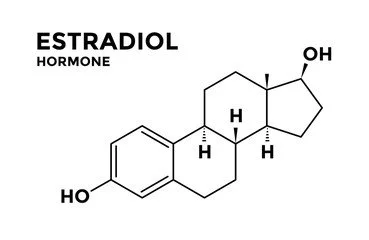
You Can’t Get Your Hormones "Balanced" Until You Balance This
So many patients I see complain of the same things: fatigue, weight gain, aching muscles, brain fog, lack of energy, insomnia, feeling exhausted, unmotivated, burned-out, and even depressed.
If it happens in your 40’s or 50’s, these symptoms might be attributed to declining hormones (estrogen, progesterone, and testosterone). But sometimes, even restoring these hormones to the level you had in your 20’s gives only a slight improvement in your energy levels and vitality.
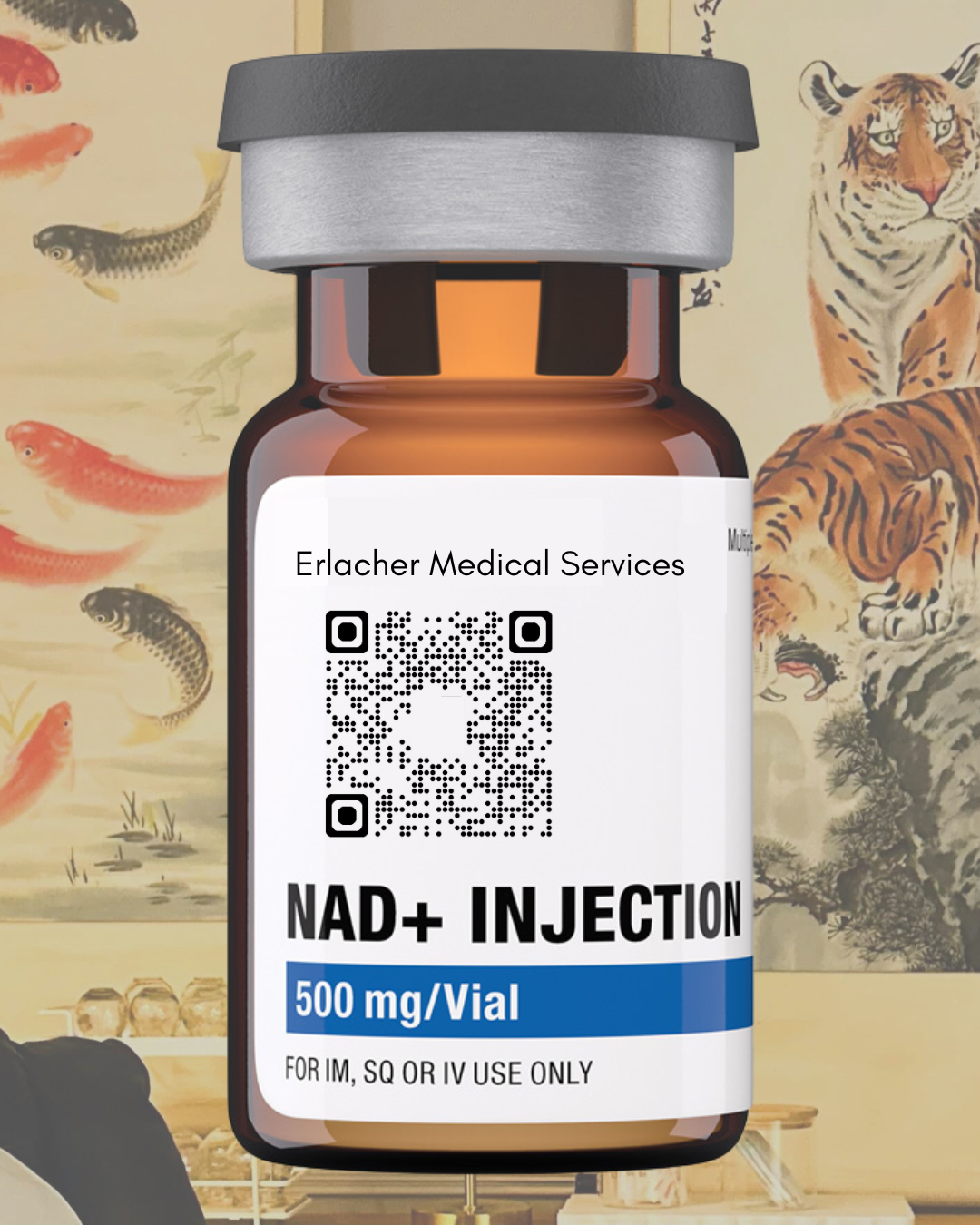
NAD+ IV Therapy: Cellular Energy & Recovery Support
NAD+ (Nicotinamide Adenine Dinucleotide) is a naturally occurring coenzyme found in every cell of the body. It plays an essential role in cellular energy production, mitochondrial function, metabolism, DNA repair, and neurologic signaling. NAD+ levels naturally decline with aging, chronic stress, illness, poor sleep, and metabolic dysfunction.
Many patients seek NAD+ therapy for support with:
• Fatigue and low energy
• Brain fog and mental clarity
• Recovery from stress or burnout
• Exercise recovery and stamina
• Healthy aging and cellular wellness
• General wellness optimization
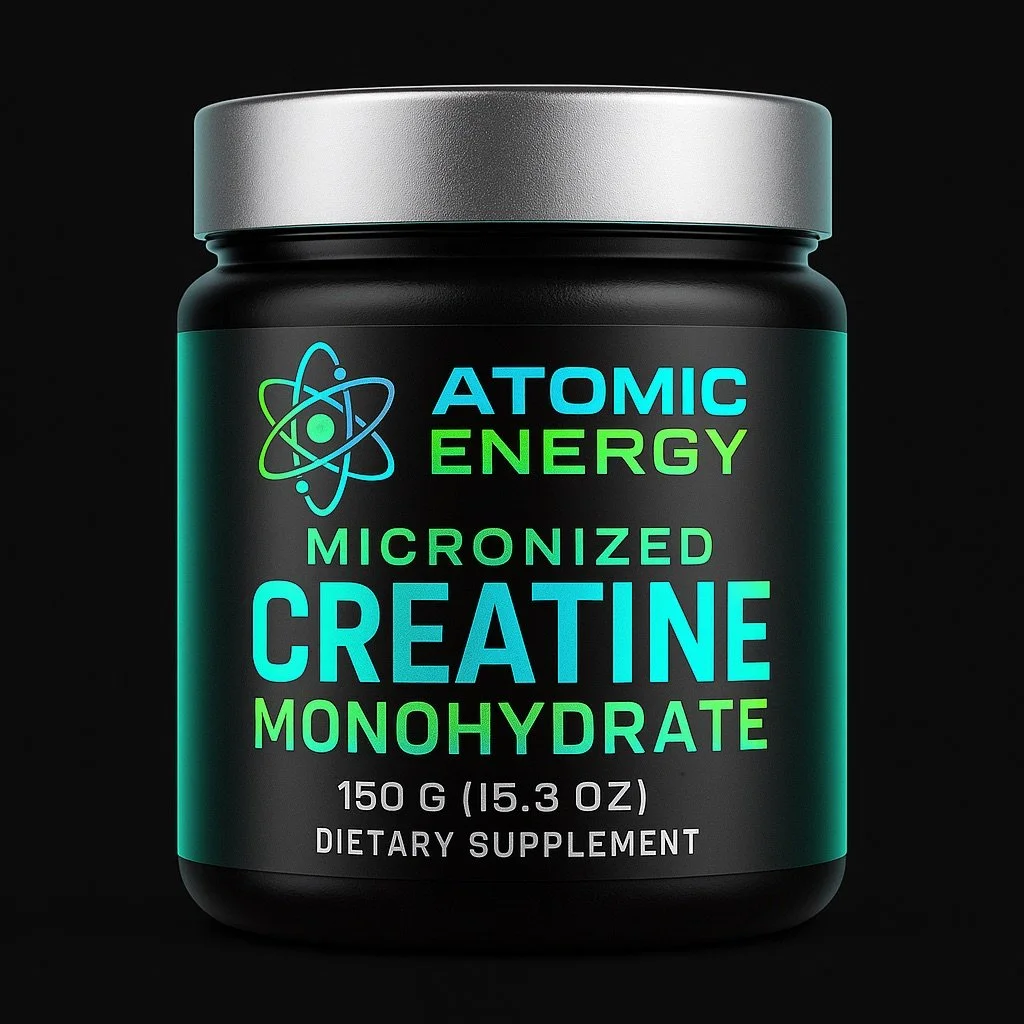
Creatine Isn’t Just for Men — It May Be One of the Most Important Supplements for Women
Creatine isn’t just for athletes. New research shows creatine may play a key role in women’s health, supporting muscle strength, brain function, energy levels, and menopause symptoms. Learn how creatine works, why women may benefit even more than men, and how to use it safely for performance, cognition, and healthy aging.

A Better Approach to GSM (Genitourinary Syndrome of Menopause)
GSM (Genitourinary Syndrome of Menopause) — A Better Approach
Many women are told that vaginal estrogen alone is the answer for symptoms like dryness, irritation, recurrent UTIs and painful intimacy. While estradiol certainly helps with tissue hydration, it doesn’t always fully restore function.
In our practice, we use a compounded combination I call the “2–2–20” formula.
Estradiol (E2) — tissue restoration
Testosterone — sensitivity and sexual function
DHEA — local hormone support (intracrine effect)
This combination addresses not just dryness, but also tissue quality, elasticity, and sensation. It is much stronger and effective than typical retail pharmacy prescriptions. It not only improves lubrication, but enhances sensitivity and response to intimacy. It relieves the pain many women experience around menopause and problems like urinary tract infections.

What’s the big deal about Insulin Resistance?
Insulin resistance is a condition in which the body’s cells—particularly in muscle, liver, and fat tissue—become less responsive to the effects of insulin, a hormone produced by the pancreas that helps regulate blood glucose levels.
Insulin Resistance is caused by a lack of exercise, overconsumption of calories - especially carbohydrates, and to some extent by genetics.

Key Supplements for the Brain and Nervous System
If I was concerned about any of these:
• Alzheimer’s disease and dementia
• Parkinson’s disease
• Multiple sclerosis (MS)
• Peripheral neuropathy
• Post-stroke cognitive impairment / stroke recovery
• Mild cognitive impairment
• Age-related memory loss
• “Chemo brain” / post-chemotherapy cognitive impairment
• Neuroinflammatory disorders of the central nervous system
• Traumatic brain injury (TBI)–related cognitive dysfunction
I would consider taking these supplements


What Does 100 Grams of Protein Look Like?
For a healthy 50-year-old woman getting back in shape, a practical protein target is ~90–105 grams per day. That sounds like a lot until you see how easily normal foods add up.